Feature article
Ceramic candymen, glass jet planes and now wax-cast licorice?
An interview with sculptor Simon Lewis Wards.


AI summary
Sculptor Simon Lewis Wards is known for his nostalgic glass art resembling classic Kiwi confectionery. Using a lost-wax casting technique, his work aims to trigger memories and stories for viewers.
Mentored by glass pioneer John Croucher, Wards' recent work explores twisted forms inspired by his graffiti background. A new, spontaneous wax-casting method allows him to create intricate licorice twist sculptures. His future goals include creating a public work at Gibbs Farm and mentoring young creatives.
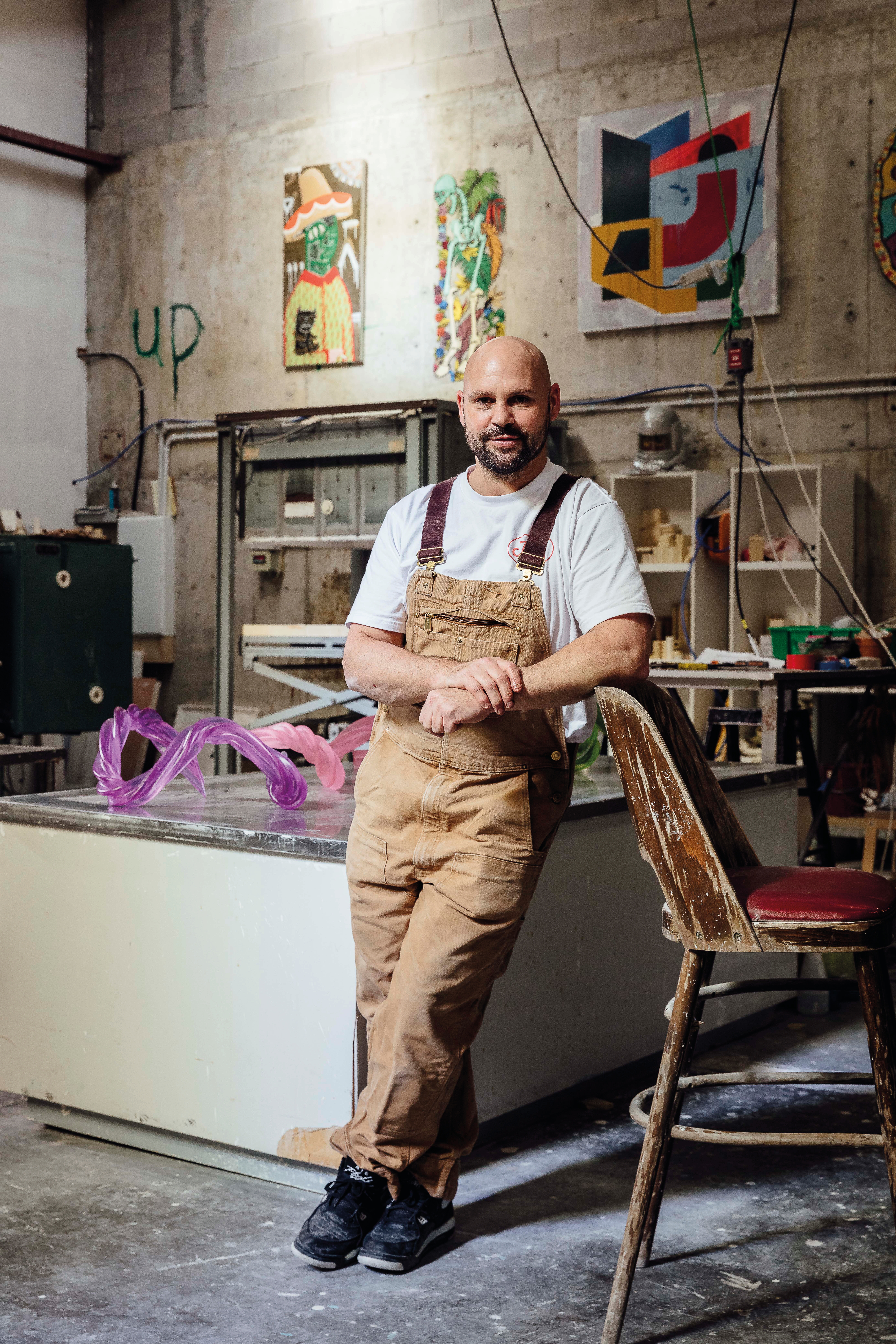
So Simon, what do you like about glass’s capabilities?
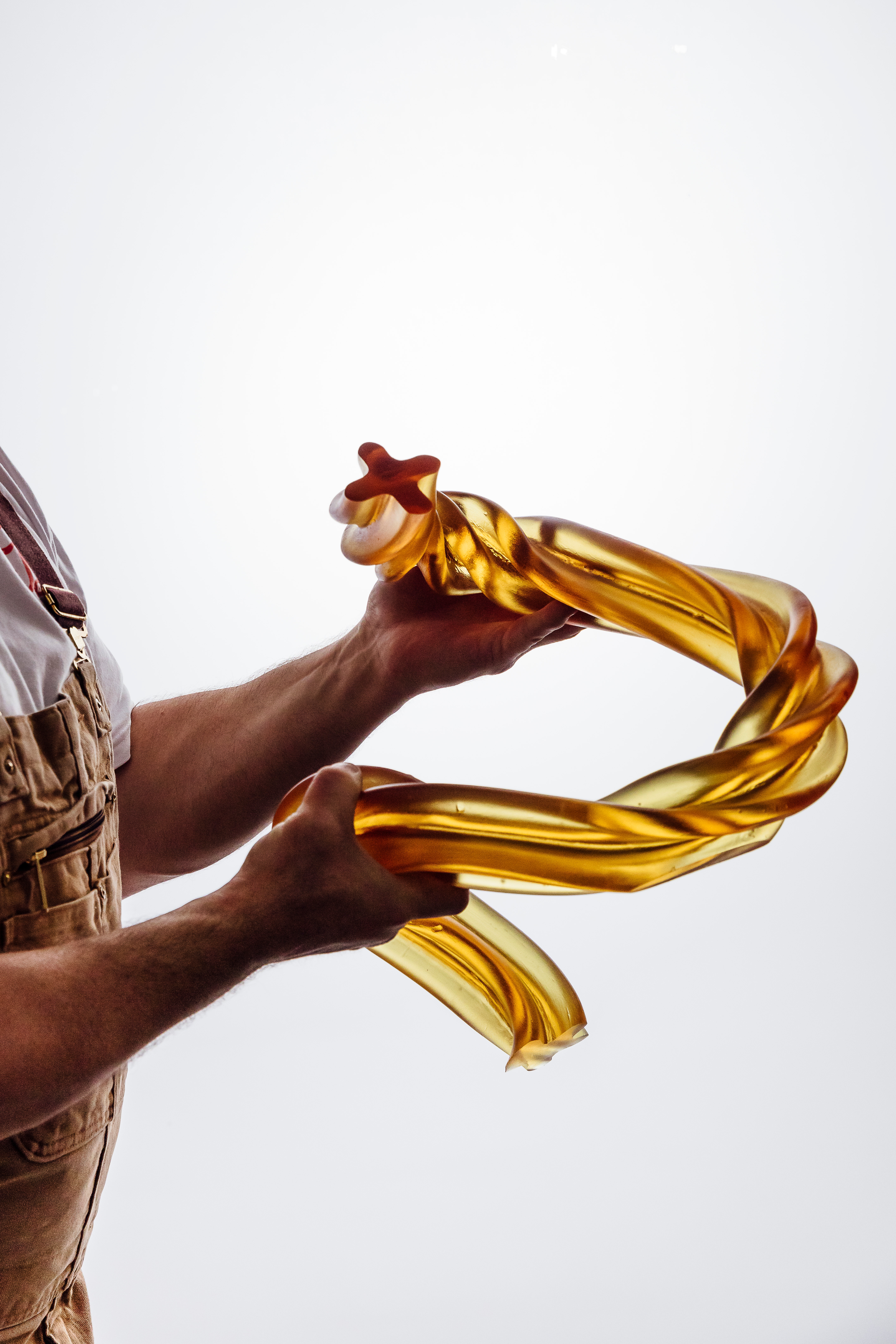
Your classic Kiwi confectionary-themed works are icons in their own right — how did you originally land on them?
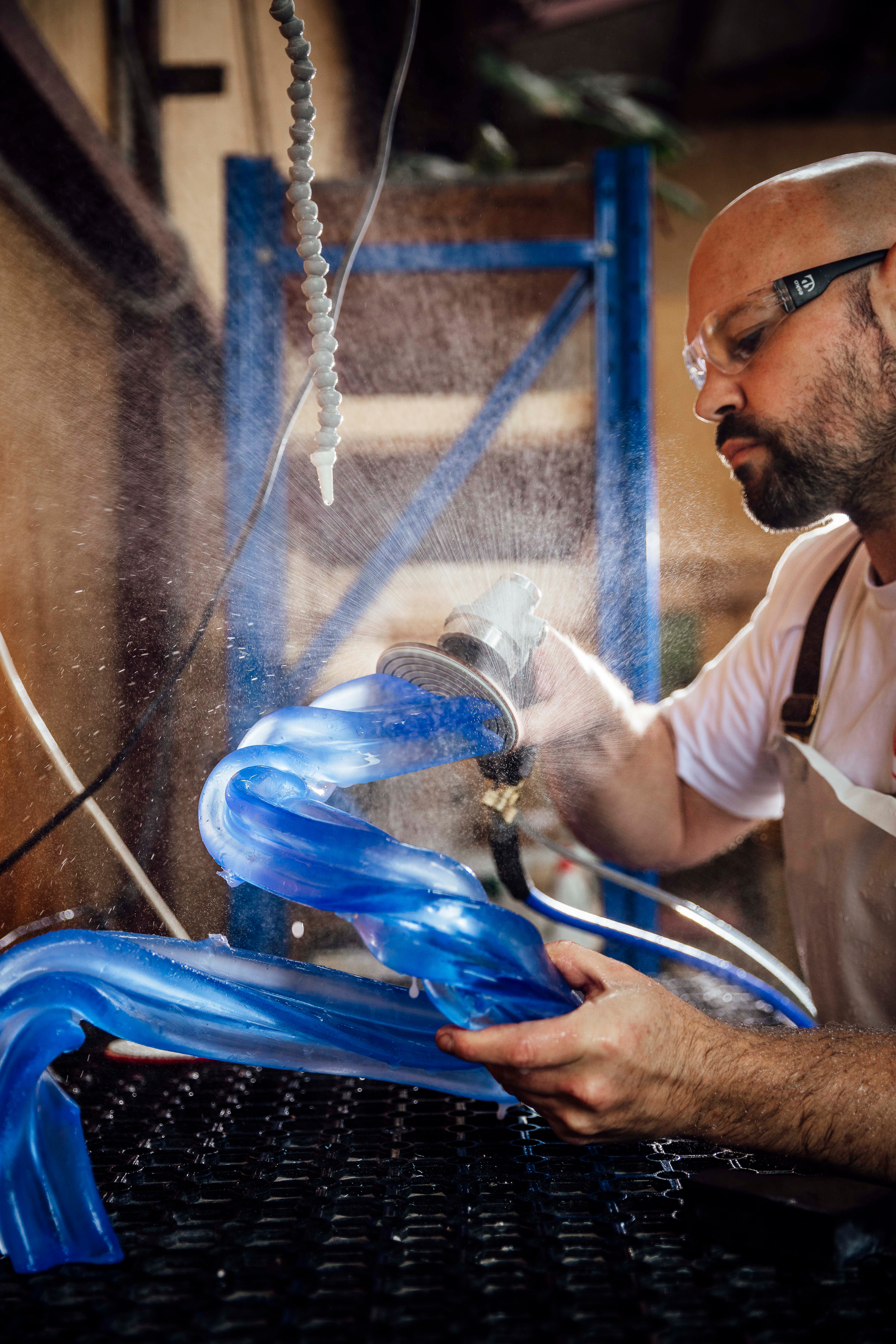
You’ve recently been exploring more sculptural pieces…
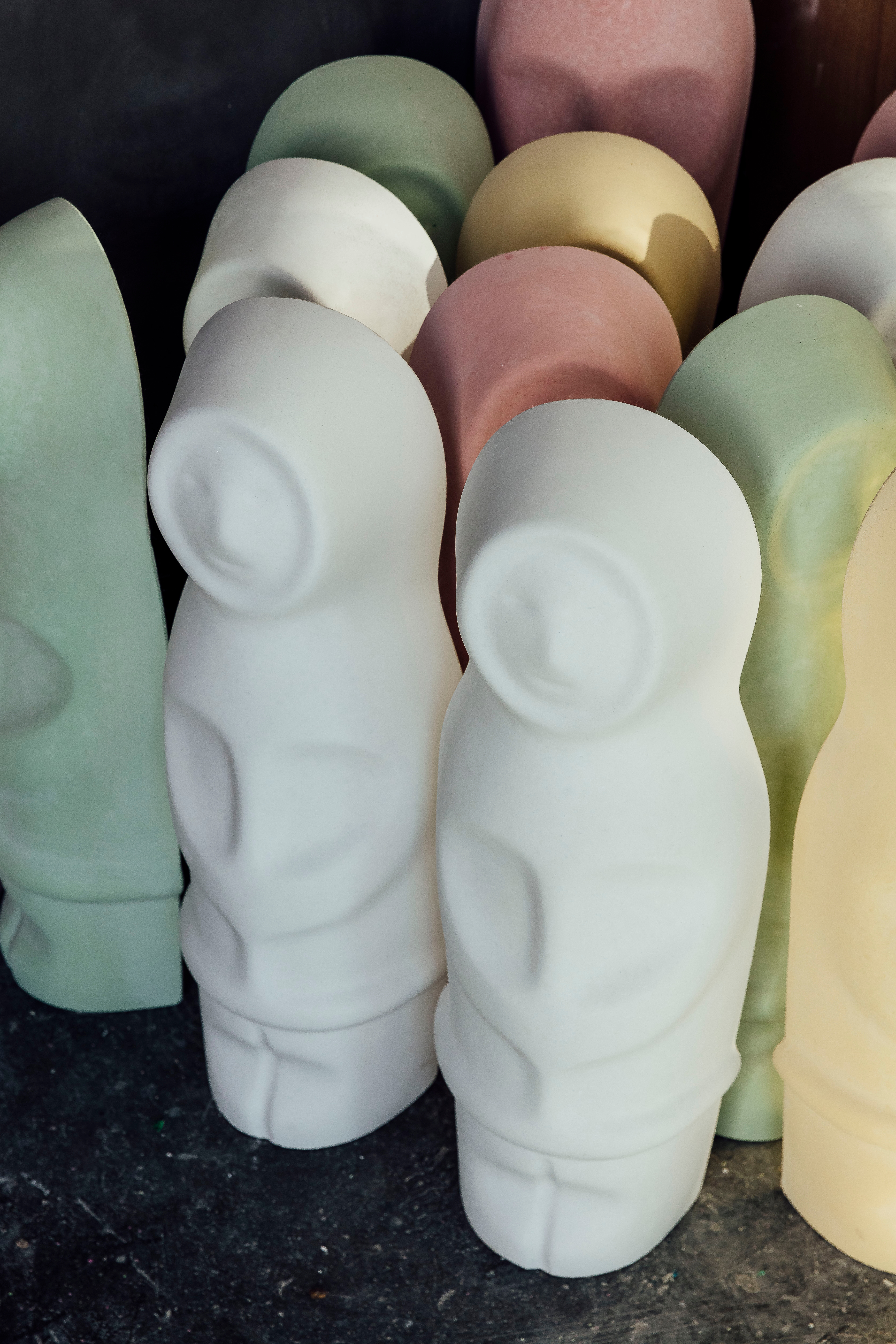
“The process of casting glass is slow and requires patience throughout many different steps,” says Simon. “You can work for a hundred hours on a piece, then a bit of plaster gets into the glass in the kiln and in a moment, it’s gone. When I’m working on larger pieces, the stakes feel high as I nurture each sculpture for weeks and weeks, but that’s what makes them precious. The most exciting moment is divesting the plaster off a piece when it comes out of the kiln, the beautiful glow of the glass being revealed and there being no imperfections. It’s an amazing feeling! You’ll hear a cheer throughout the studio.”
Are you utilising new techniques?
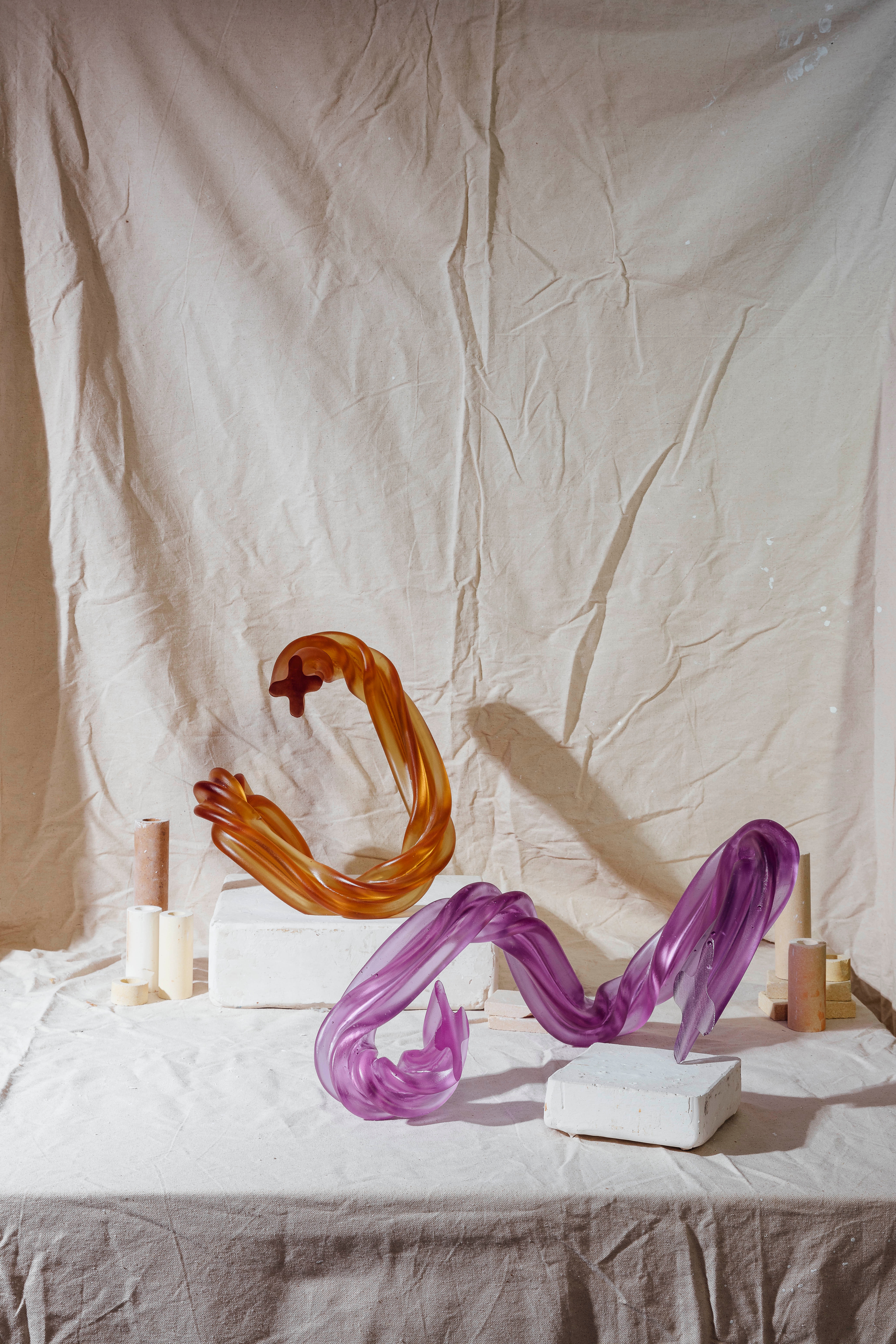
Glass is inherently about light, but colour also plays a significant role — which hues does Simon favour? “It may sound strange, but each one of my new twist pieces seems to have its own character. It’s my job to listen and give these guys a colour that suits their personality. If they’re flowing, undulating and relaxed, I might work in brighter colours, whereas more angular, serious forms suit industrial tones. In a show, I’m looking to group colours and forms that talk to each other, that feel like mates.”
What would be your dream commission or project?
Author
Discover More
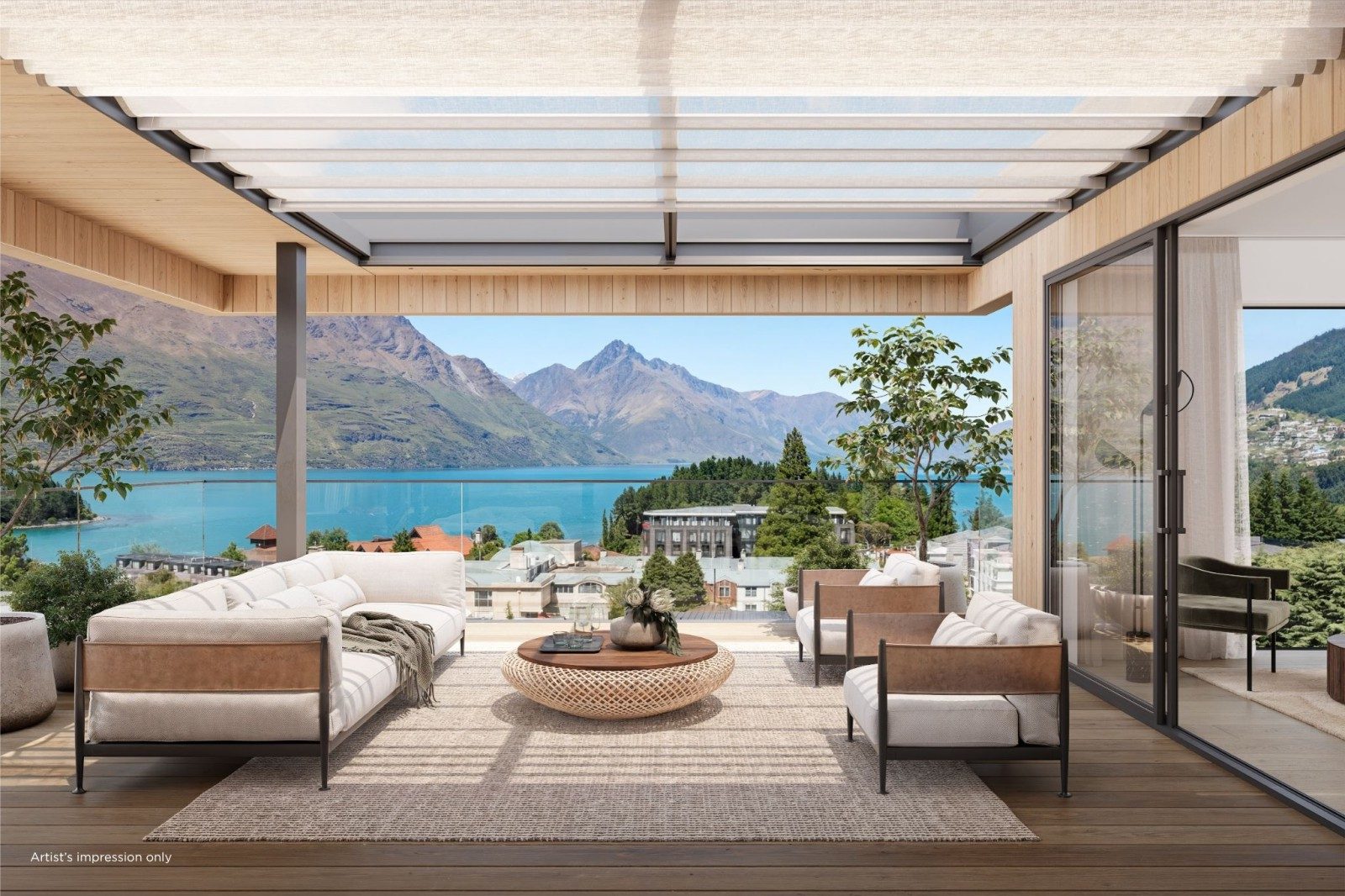
Townhouses deserve a better press. Here's the evidence.
Seven townhouses for sale on Trade Me Property show there's more to the category than you expect.
‘We wanted to show off’: He built his own Lockwood home to prove what it could do
Former Lockwood boss Joe La Grouw’s 648sqm Rotorua home, built to showcase the company’s designs, is now on the market.


Search
Other articles you might like
.jpg?fit=max&format=webp&quality=85)