Buying guide
Getting a mortgage if you’re self-employed
Experts explain why it can be more difficult to get a mortgage if you're self-employed.


AI summary
Getting a mortgage when self-employed presents unique challenges. Banks typically require at least one year of financial accounts, and claiming business expenses can reduce your on-paper income, limiting your borrowing power.
An alternative is to use non-bank lenders like Resimac, which specialize in self-employed borrowers. They offer more flexibility, assessing applications on a case-by-case basis and accepting other income verification like business bank statements. Initial interest rates may be slightly higher but can be reduced over time with a good repayment history.

What you’ll learn:
What mortgage advisers say about options for self-employed
Taking the alternate lender route
Q & A with Luke Jackson, General Manager of Resimac NZ

Luke Resimac anwers questions on lending for the self employed
Will more lenders be catering to self-employed people as they become a bigger part of the workforce?
How do you assess a self-employed borrower?
Are mortgage rates higher for self-employed people?
Would you be more confident about a loan if, in a couple, one of the borrowers was on a salary and the other was self-employed?
Any other pieces of advice for self-employed home buyers?
Author
Discover More

Coast to Coast founder went for a walk one morning in his pyjamas. He came home having bought a house
Robin Judkins bought a rundown Sumner home on a whim and transformed it into a creative retreat.
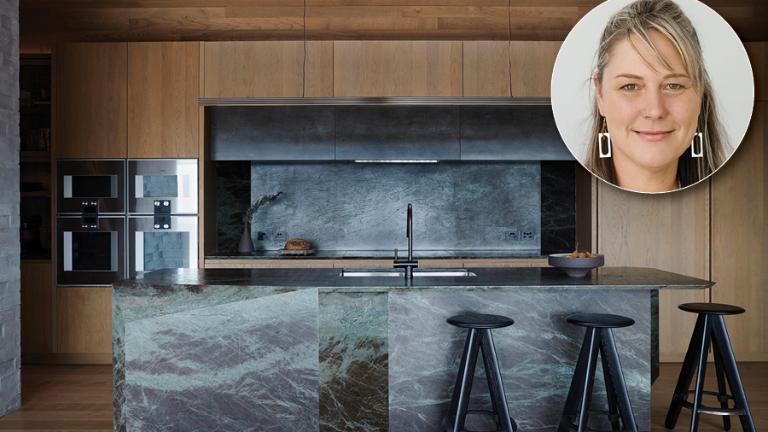
Four ovens, multiple fridges and a 13-metre wall: Inside NZ’s best new kitchen
Explore NZ’s award-winning Te Arai kitchen, with a sculptural island and 13m wall of oak joinery.


Search
Other articles you might like


