Feature article
New Zealand housing crisis: what’s really going on?
We delve into why our long-running property challenges continue to hold tight.
12 December 2025


AI summary
Despite recent easing in house prices and rents, New Zealand's housing crisis persists due to decades of undersupply and restrictive planning rules. This has created severe unaffordability, particularly for first home buyers, renters, and vulnerable whānau.
The government’s Going for Housing Growth policy aims to tackle this by freeing up land and reforming planning laws. While recovery will be slow, these long-term strategies provide a framework for creating a more stable and affordable housing market.
What we’ll cover:
A quick snapshot of the housing crisis
What caused the crisis?
A long term slide in housing supply responsiveness
Affordability pressures
Rents and rental shortages
Who is most affected by the housing crisis?
Children and vulnerable families

A safe, dry home shouldn't be a luxury for our youngest Kiwi. Unfortunately, poor-quality housing is still shaping the health outcomes of thousands of New Zealand children every year.
Māori & Pacific whānau
Renters
First home buyers
What the Government is doing to tackle the housing crisis
Going for Housing Growth is built around three main ideas:
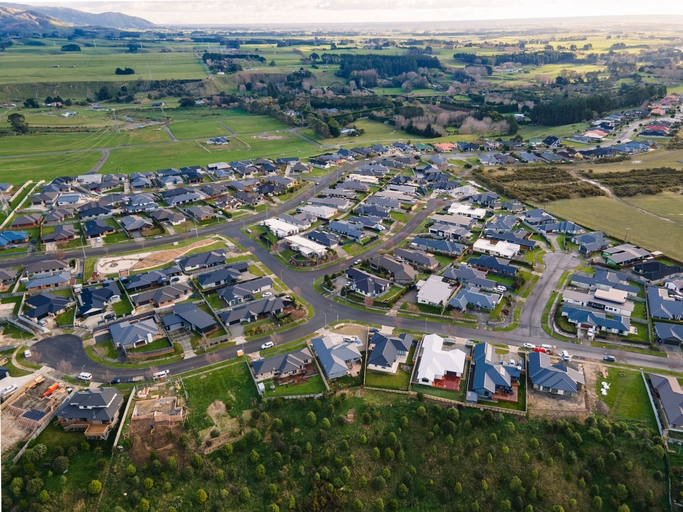
The Government's plan is to tackle the housing crisis by pushing councils to allow cities to grow both up (intensification) and out (expanding the urban fringe).
Flagship planning reform: RMA replacement
Is the housing crisis improving?
What might help solve the crisis long-term?
What this means for buyers, renters, and families right now
For first-home buyers
For renters
For families and vulnerable households
An optimistic future
Author
Discover More
Townhouses deserve a better press. Here's the evidence.
Seven townhouses for sale on Trade Me Property show there's more to the category than you expect.
‘We wanted to show off’: He built his own Lockwood home to prove what it could do
Former Lockwood boss Joe La Grouw’s 648sqm Rotorua home, built to showcase the company’s designs, is now on the market.


Search
Other articles you might like