Feature article
The Ultimate Motorboat Buying Guide for Aotearoa
Your essential guide to buying a motorboat in Aotearoa. Covers what to look for, budgets, and pre-purchase checks.
16 December 2025

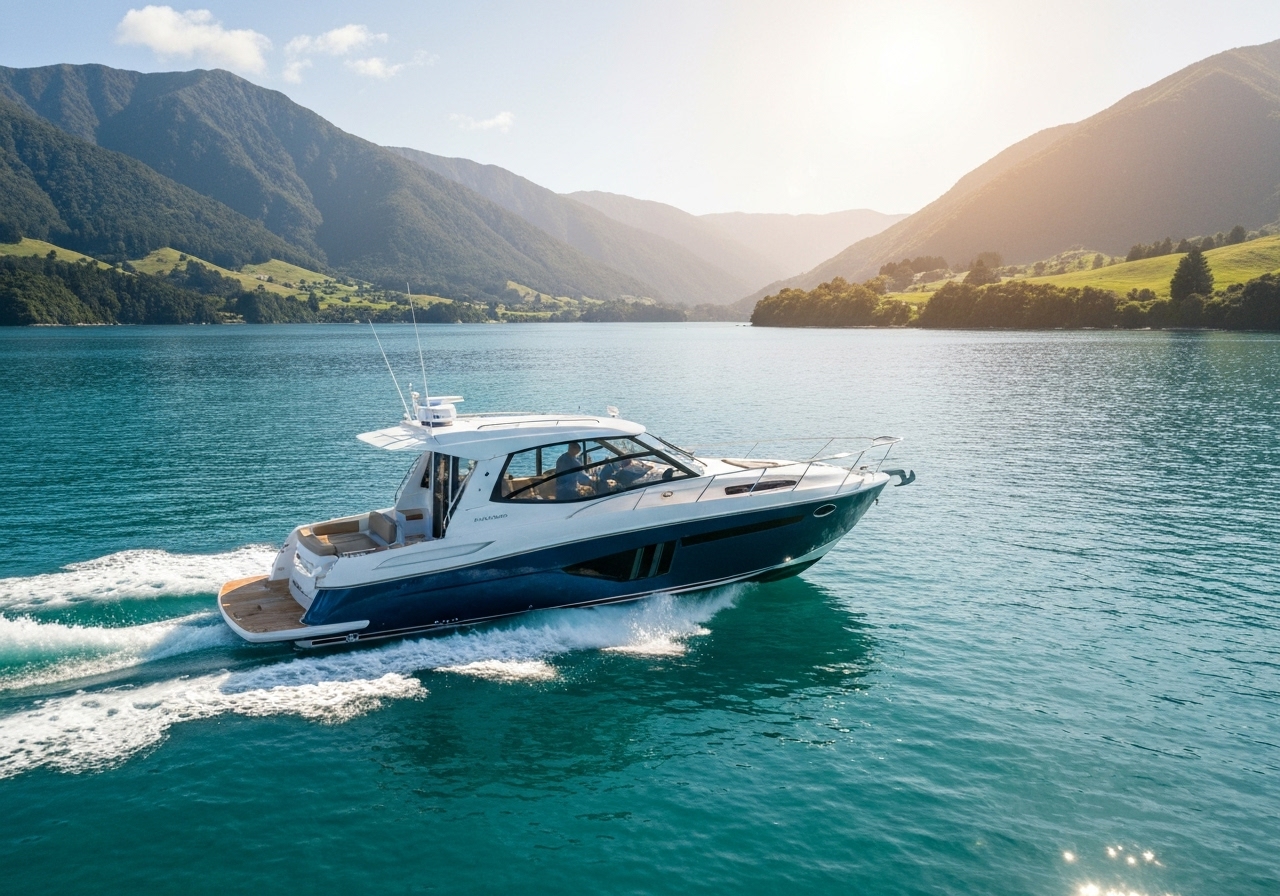
The Ultimate Motorboat Buying Guide for Aotearoa
Ready to get out on the water? Buying a motorboat is exciting, but it’s a big purchase. To make sure your dream doesn’t turn into a nightmare, you need to know what to look for. This guide covers everything you need to know, from assessing your needs to what to check before you shake hands on the deal.
Whether you're after a small runabout for fishing and diving in the Hauraki Gulf or a cabin cruiser for extended adventures on the beautiful lakes and coastlines of Aotearoa, we’ve got you covered.
1. Ask Yourself: What Kind of Boat Life is for Me?
| Activity | Best Boat Types | Key Things to Think About | |||
|---|---|---|---|---|---|
| Fishing & Diving | Fishing & Diving | Centre Consoles, Walkarounds, Tinnies | Centre Consoles, Walkarounds, Tinnies | Rod holders, stability for standing, easy-clean deck, dive tank storage. | Rod holders, stability for standing, easy-clean deck, dive tank storage. |
| Water Sports (Skiing, Tubing) | Water Sports (Skiing, Tubing) | Bowriders, Wake Boats, Jet Boats | Bowriders, Wake Boats, Jet Boats | Strong engine, tow points, storage for gear, quick acceleration. | Strong engine, tow points, storage for gear, quick acceleration. |
| Cruising & Day Trips | Cruising & Day Trips | Cabin Cruisers, Cuddy Cabins, Runabouts | Cabin Cruisers, Cuddy Cabins, Runabouts | Comfortable seating, canopy/shelter, enough room for friends and whānau. | Comfortable seating, canopy/shelter, enough room for friends and whānau. |
| Overnight/Extended Trips | Overnight/Extended Trips | Cabin Cruisers, Motor Yachts | Cabin Cruisers, Motor Yachts | Galley (kitchen), head (toilet), sleeping berths, storage, fuel capacity. | Galley (kitchen), head (toilet), sleeping berths, storage, fuel capacity. |
2. New or Used? Weighing Up Your Options
The secondhand market on Trade Me Motors is huge, and you can find an absolute gem if you know how to look.
- New Boats: You get a warranty, the latest tech, and zero history issues. You can usually customise them to your needs, but they come with a hefty price tag and a steeper initial depreciation drop.
- Used Boats: Far cheaper entry point and the biggest selection. However, you are buying the previous owner's maintenance habits. A thorough inspection is non-negotiable.
3. The Money Talk: Budgeting for More Than Just the Price Tag
- Finance: If you're getting a loan, compare interest rates and factor in the monthly payments.
- Insurance: A must-have, especially when learning the ropes. Costs depend on the boat's size, speed, and type.
- Storage: Will you keep it in a garage, a dry stack, or a marina berth? Marina fees are expensive.
- Maintenance: Boats need regular servicing, antifouling, and safety checks to keep them seaworthy.
- Fuel: Petrol or diesel can add up, especially for larger launches or faster powerboats.
4. The Pre-Purchase Checklist: What to Inspect
This is where you need to get hands-on. If you're not an experienced boatie, always bring someone who is, or hire an independent marine expert or surveyor.
⚓ Hull, Deck, and Structure
The hull is the body of your boat–it has to be solid.
For Fibreglass Boats: Look for signs of osmosis (small blisters under the gelcoat), which means water has been soaking in. Tap the transom (the flat back section where the motor mounts) and deck with a rubber mallet. A solid tap means a healthy hull; a dull, soft sound suggests water-saturated foam or rot, which is a big, expensive problem.For Aluminium Boats (Tinnies): Check all the welds carefully for cracks or signs of fatigue. Look for signs of galvanic corrosion where different metals (like a sounder or canopy frame) meet the aluminium.
Trailer: Don't forget the trailer! Check the Warrant of Fitness (WOF) and registration are current. Look for rust, tyre wear, and make sure the lights work. If you need a new one, you can find a huge range of boat trailers on Trade Me.
🛠️ Engine and Mechanicals
The engine is the most expensive part to replace.
Outboard Motor: Get the seller to start it from cold so you can listen to it idle. Check the propeller for any damage or dents. Lift the cowl and look for signs of salt corrosion or oil leaks.
Engine Hours: Ask for the engine hours. Low hours are great, but be suspicious of very low hours on an older boat - it might mean it’s been sitting unused for years, which can cause its own problems.
Sea Trial: Never buy without a sea trial. This is like a test drive. Check the steering, throttle, and gears work smoothly and that the engine pumps cooling water strongly.
Legal and Paperwork
Don't skip the legal checks!
- PPSR Check: You must do a Personal Property Securities Register (PPSR) check. For a small fee, this will tell you if the boat has finance owing on it. If you buy a boat with money still owed, it could be legally repossessed later, and you'd lose your money.
- Registration: Check the hull and motor serial numbers. On Trade Me Motors, you can also often check a boat's registration on services like CarJam.
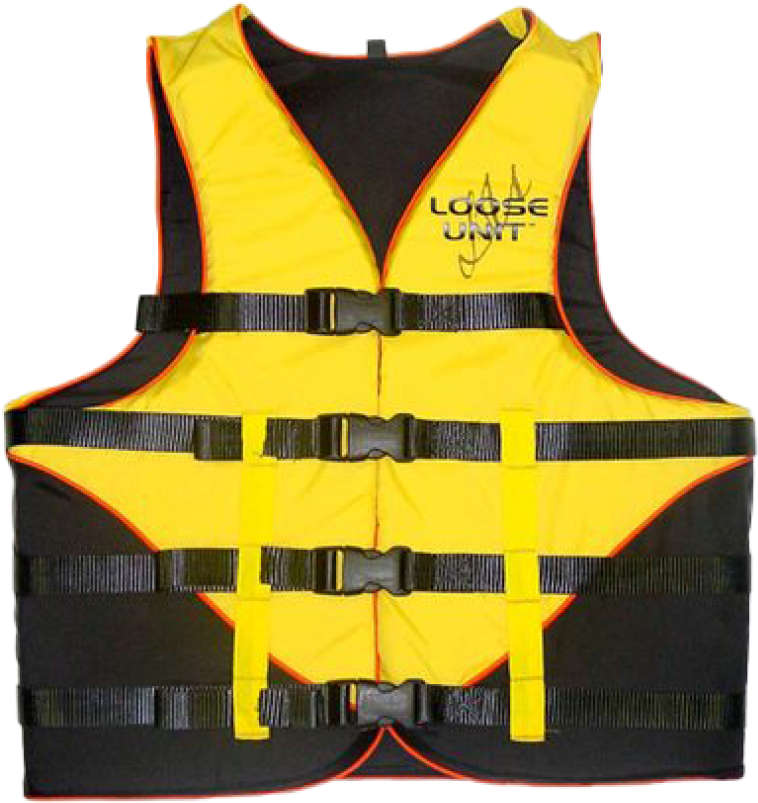
- Safety Gear: Check what safety gear is included. This should include lifejackets (in the right size for everyone), a bailer, and two waterproof forms of communication. Check expiry dates on flares and first aid kits.
5. What's in a Name?
Before you launch your new waka, you need to give it a name. Boaties are a superstitious bunch, so you can't just change the name on an existing boat without a proper renaming ceremony (seriously, look it up!).
If you're buying a new boat, here are a few fun suggestions for your new pride and joy:
- Overdraft
- She’s Got the Lot
- Knot Ready
- Financially Unstable
6. Be a Responsible Skipper
Once you’re the proud owner of a new waka, remember that being a skipper means you're responsible for the safety of your passengers.
Take a Day Skipper course with Coastguard Boating Education.
- Know the Marine Weather Forecast and tides before you head out.
- Carry lifejackets for everyone. Maritime NZ recommends wearing them at all times when underway, and it's compulsory in most regions for vessels under six metres.
Happy boating!
Author
Other articles you might like